

 WeChat
Before the First Resident Arrives: Bridging PBSA Development and Operations
How Viridis Real Estate and Lumya Living are applying an integrated approach in Porto and Dublin
Some of the most persistent operational problems in purpose-built student accommodation (PBSA) begin as small decisions during the development stage.
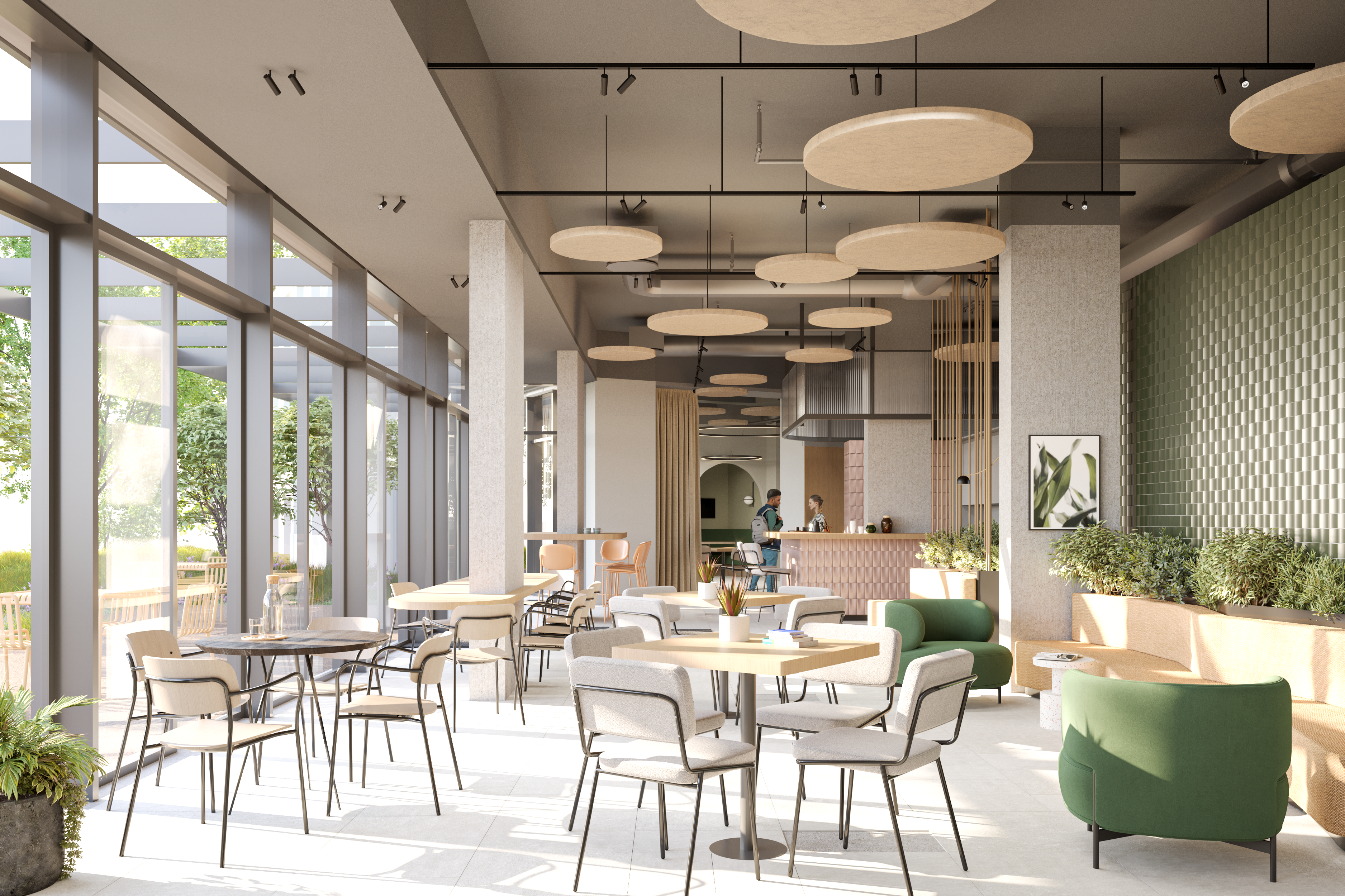
The location of a reception desk can affect the arrival experience. An access route can make deliveries straightforward or create daily disruption. The design of a common area can determine whether residents use it naturally or only attend when an event is organised.
These decisions are made long before the first resident arrives. Their consequences often become clear only after the building opens, when changing the physical environment may be difficult or expensive.
The relationship between Viridis Real Estate and Lumya Living is intended to narrow that gap. Viridis develops and asset-manages the properties, retaining a long-term interest in them, while Lumya is responsible for mobilisation and operation. Because both companies work within the same group, Lumya’s operational insight can inform development decisions, while Viridis’ asset-management perspective can continue to support operational decisions after opening.
Why PBSA Operators Should Be Involved Earlier in Development
Lumya currently operates residences in Cardiff, Leicester, Graz, Vienna and Leipzig. These buildings provide practical information that cannot be obtained from architectural plans alone.
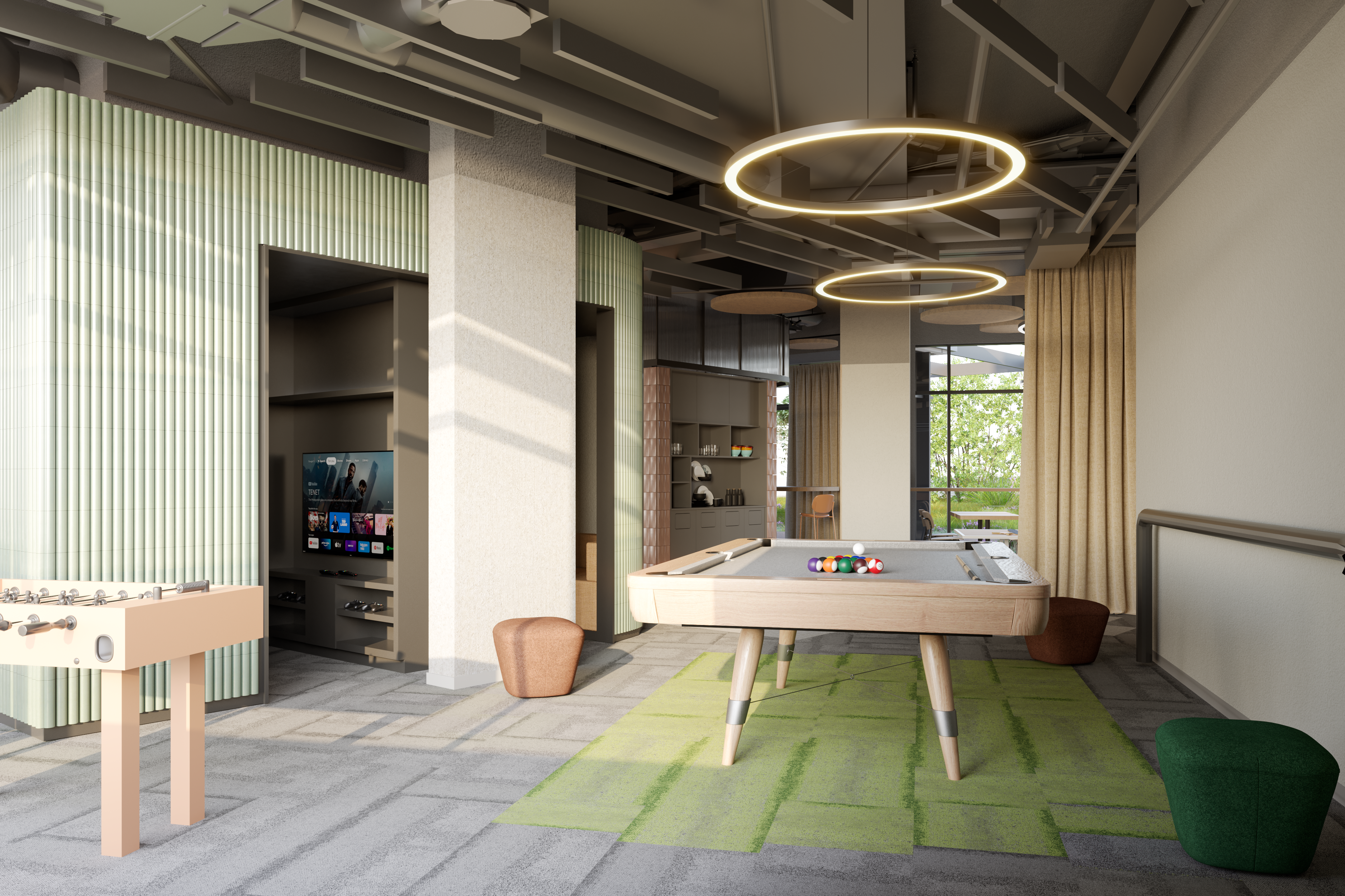
They help identify where residents need more information before arrival, which processes create pressure for onsite teams and whether spaces are being used as originally intended. They also show how design decisions affect maintenance, deliveries, security and the management of move-in and move-out periods.
This does not mean that every operational issue requires a design change. Some can be resolved through clearer communication, better technology or a different onsite process. Others point to a physical constraint that should be considered when developing or improving a building.
The purpose of the Viridis - Lumya relationship is to give those observations somewhere to go. Lumya’s operational feedback can inform development and asset management, while Viridis’ input helps Lumya consider long-term asset performance alongside day-to-day operations. In simple terms, the group designs and builds with operations in mind, and operates with asset value in mind.
“Integration only has value if it influences real decisions,” said David Campbell, Managing Director at Lumya Living. “The benefit of our relationship with Viridis is that the people developing and investing in the building can speak directly with the people who will run it. That conversation can begin before opening and continue throughout the life of the property.”
Lumya’s forthcoming residences in Dublin and Porto show how this approach is being applied at different stages of development.
Lumya Dublin: Starting PBSA Mobilisation Before Handover
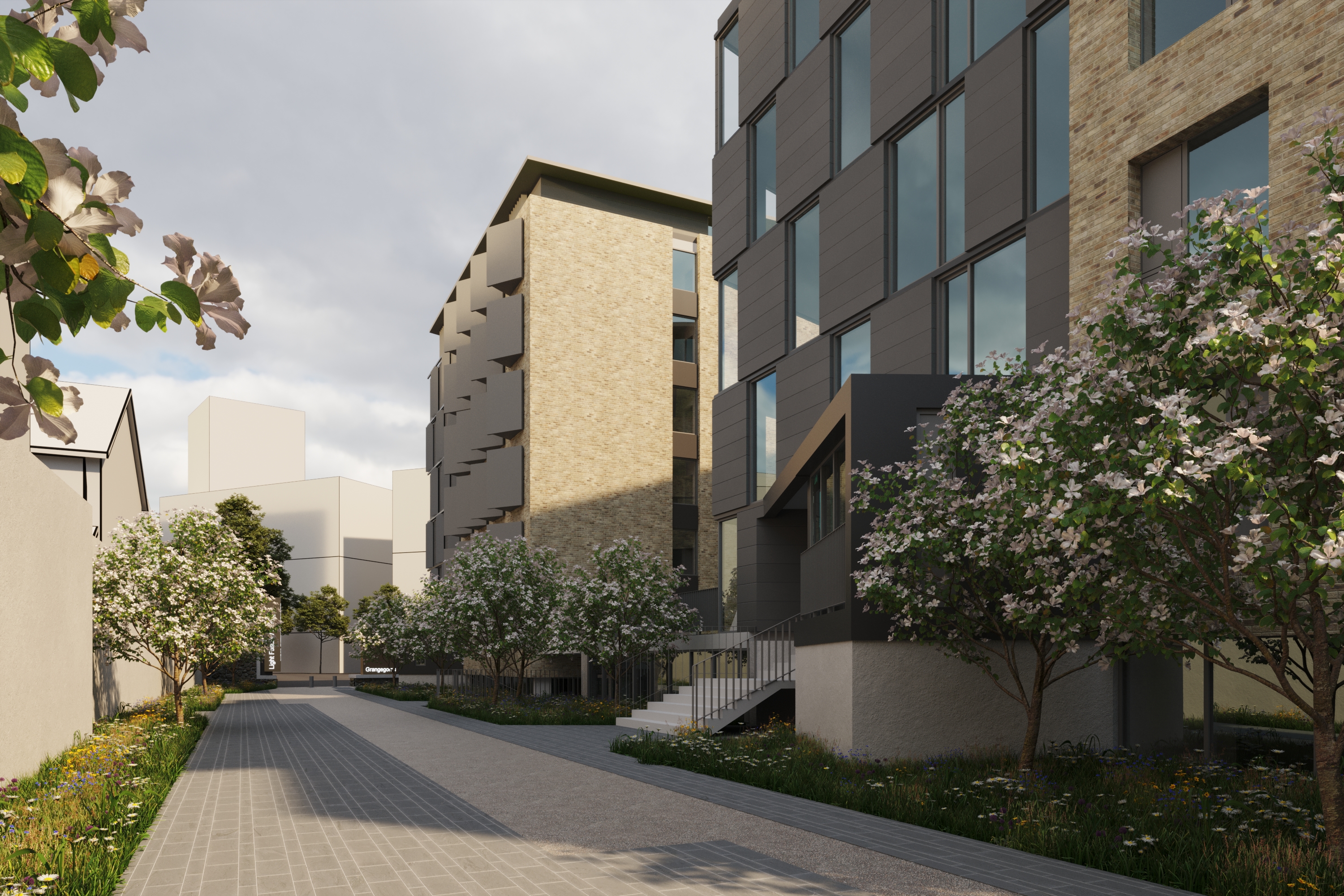
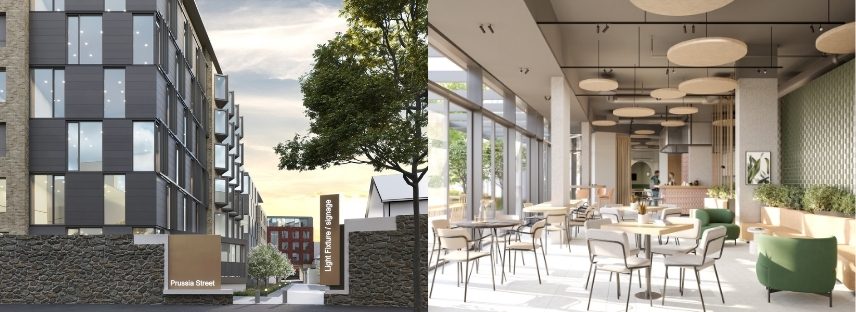
Lumya Dublin is planned to open in the third quarter of 2027. Located on Prussia Street in Dublin 7, immediately adjacent to TU Dublin’s Grangegorman campus, the development will provide 228 beds across studios and clusters.
Mobilisation for Lumya Dublin began well ahead of the planned opening. The programme covers the booking app, recruitment of the site team, facilities-management contracts, health and safety processes, technical training, preparation of the common areas and the resident check-in journey.
Starting this work early gives the operational team time to understand how the building is expected to function. It also allows practical questions to be raised while the project is progressing rather than after the residence has been handed over.
The development will include retail space open to residents and members of the public. This is a design decision, but its success will depend heavily on its operation. The type of retail offer, access arrangements and management of the ground floor will influence whether the space creates a genuine connection with Dublin 7 or simply functions as another commercial unit.
By considering those questions during mobilisation, Viridis and Lumya can align the physical relationship with the street and the way the space will be managed in everyday life.
Lumya Porto: Designing Outdoor Spaces for Student Living
Lumya Porto is a 321-bed purpose-built student accommodation development in Paranhos, Porto, scheduled to open in May 2027. Located at Praça do Cávado 88, the residence will include a range of outdoor areas, including a running track, football area, meadow, terrace, barbecue space and landscaped water feature.These spaces have different potential uses, but their presence does not automatically create an active community. Their value will depend on how accessible they feel, how they are maintained and whether residents can use them both independently and as part of organised activities.
The operational planning therefore needs to go beyond creating an events calendar. It must consider how formal activities can take place without preventing informal use, which spaces require booking or supervision and how the programme should respond to changing participation throughout the academic year.
Once the residence opens, the onsite team will be able to see which spaces residents use naturally and which require a different approach. That information can shape the programme in Porto and provide Viridis with evidence of how the original design performs when occupied.
This is the point at which the feedback loop becomes important. The building provides the space, the operator sees how it works, and the developer remains involved in what happens next.
Learning Beyond Opening
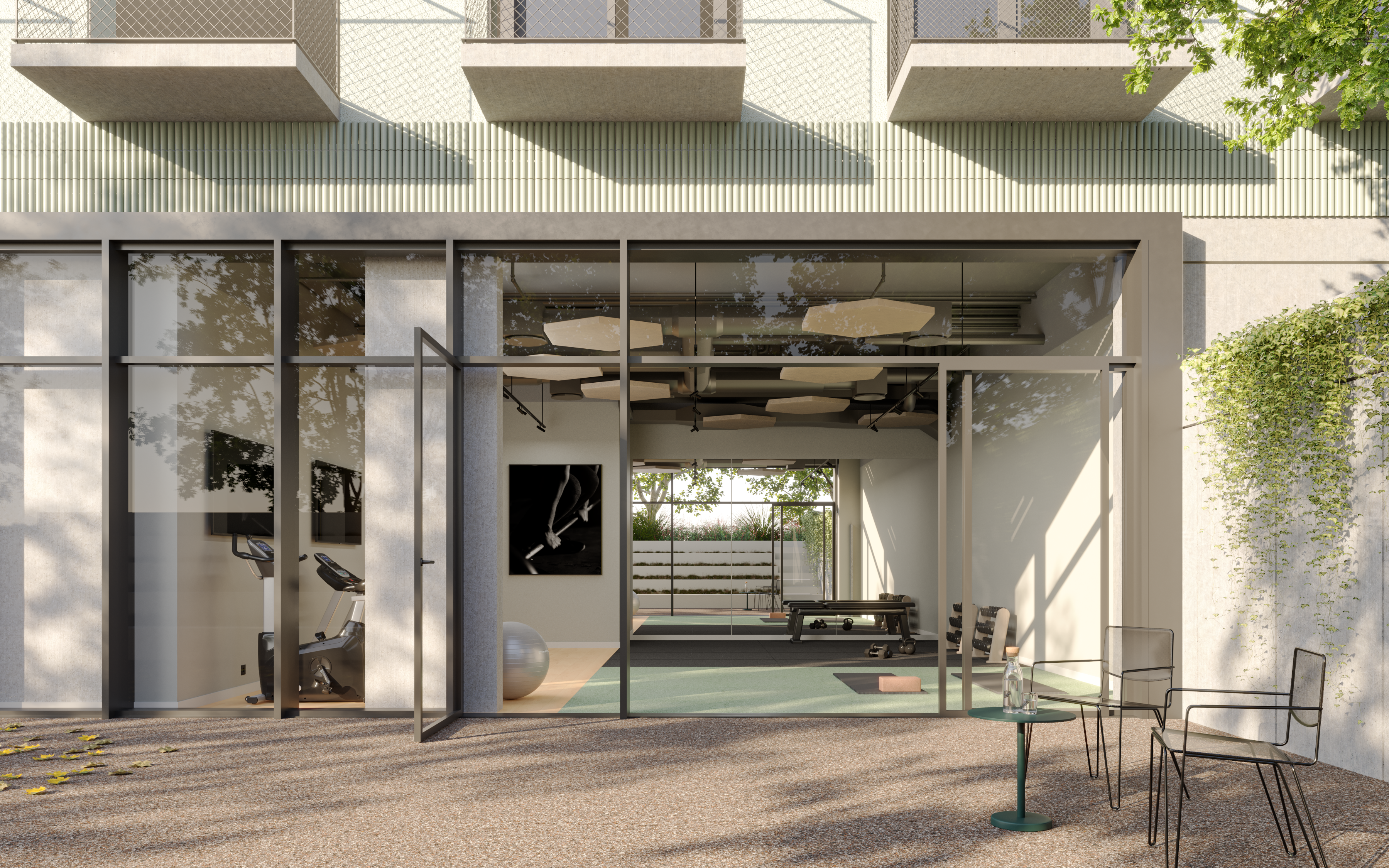
The same process continues throughout the life of a residence. If a shared space is consistently underused, a process repeatedly causes delays or a maintenance problem is connected to the layout, that information can be assessed by both Lumya and Viridis.
The response may be a change to an onsite process, an adjustment to the building, an investment decision that supports the asset’s long-term value or a lesson carried into the next development. Long-term ownership makes this possible because the developer’s involvement does not end once construction is completed.
There are three broader lessons for the PBSA sector.
First, operators should be involved before layouts, servicing arrangements and resident processes are fixed. Second, mobilisation should begin early enough to test how design decisions will translate into staffing, systems and daily operation. Third, resident and onsite feedback needs a clear route back to the people responsible for the asset.
This approach does not require the developer and operator to belong to the same group. Independent partners can create a similar feedback loop, but it requires structured communication and a willingness to revisit assumptions after opening.
Together, Lumya Porto and Lumya Dublin will add 549 beds to Lumya Living's operational portfolio. Their wider value will lie in demonstrating how development, asset management and operations can continue to inform one another, both before and after the first resident arrives.
“A building will always teach you something once people start living in it,” Campbell added. “The important thing is to make sure that learning is not lost. It should improve the residence people live in today and help us make better decisions about the one we develop next.”